Alan Titchmarsh Reopens Painshill’s Restored Chinese Bridge
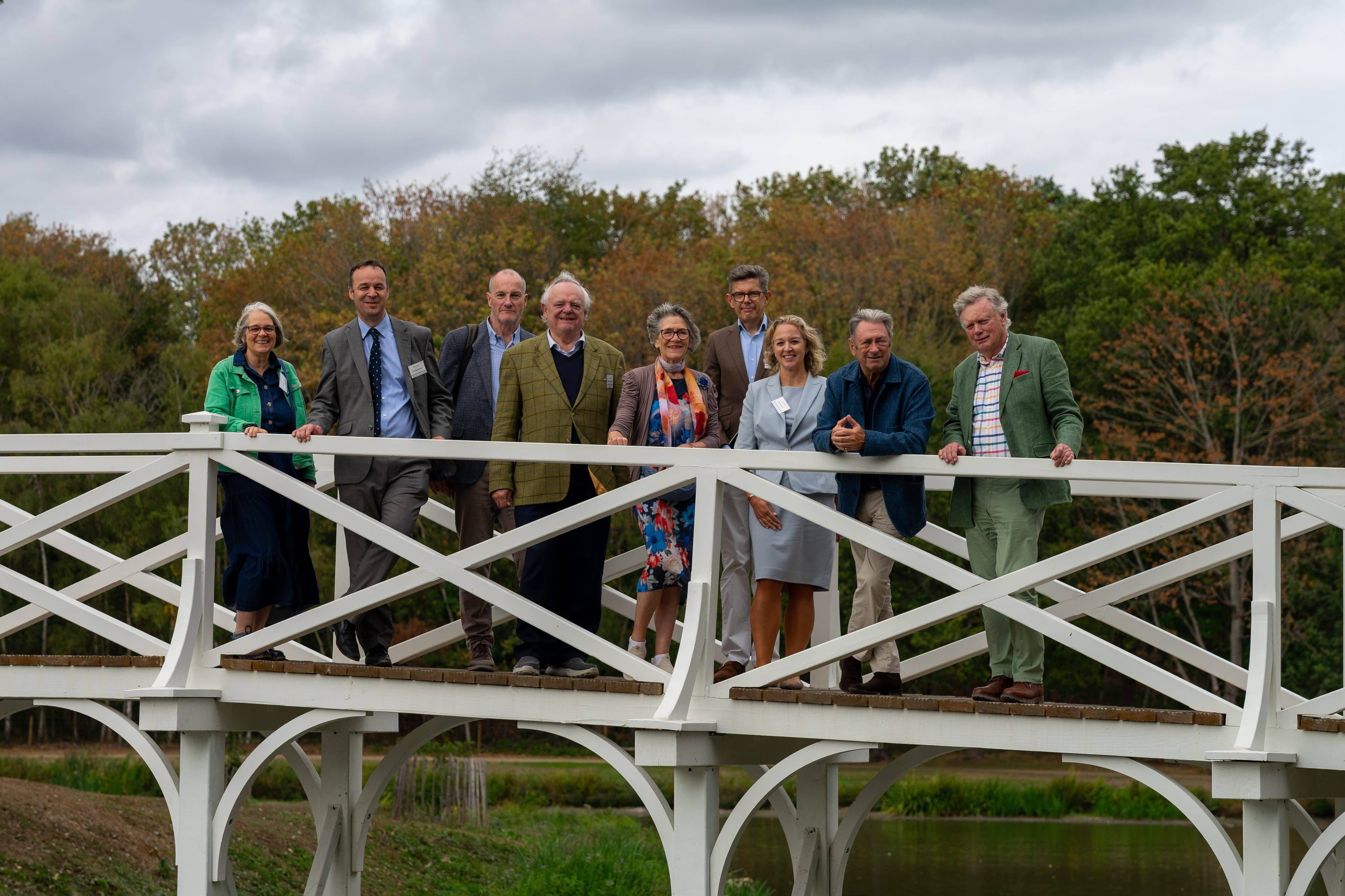
There was a real sense of celebration at Painshill as visitors, supporters, volunteers and members of the local community gathered to witness the official reopening of the historic Chinese Bridge. The occasion marked the culmination of years of planning, fundraising and skilled craftsmanship, restoring a landmark that has been at the heart of Charles Hamilton’s landscape.
The ceremony was led by Alan Titchmarsh, renowned gardener, broadcaster and Patron of the Painshill Park Trust. Welcoming guests beside the lake, Titchmarsh spoke about the importance of preserving Britain’s historic gardens—not simply as beautiful places to visit, but as living works of art that connect people with history, nature and design.
The reopening was designed as a celebration of everyone who made the project possible. Trustees, donors and local councillors came together to see the bridge returned to its rightful place within the landscape.
As Titchmarsh officially declared the bridge open, applause echoed across the lake and guests crossed the elegant timber structure towards Grotto Island, recreating the journey that Charles Hamilton intended in the 18th century. The completed bridge faithfully reflects the historic design while incorporating modern engineering to ensure its longevity, demonstrating how heritage conservation can honour the past while preparing for the future.
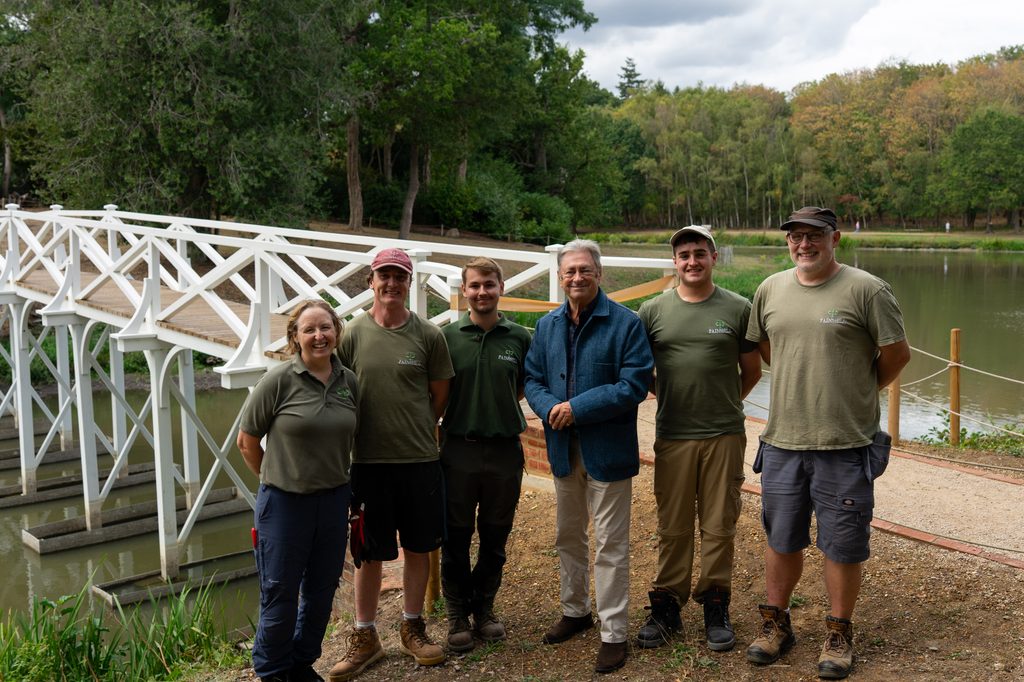
The Chinese Bridge is one of Painshill’s most photographed and recognisable features, framing beautiful views across the Serpentine Lake and providing the gateway to the Crystal Grotto. With the bridge now reopened, visitors can once again experience Hamilton’s landscape as it was conceived: a sequence of carefully composed vistas, follies and moments of surprise linked together by graceful pathways and crossings.
Alan Titchmarsh’s presence made the occasion especially fitting, celebrating not only the restoration of a beautiful structure, but the shared commitment to safeguarding Painshill’s extraordinary heritage for generations to come.
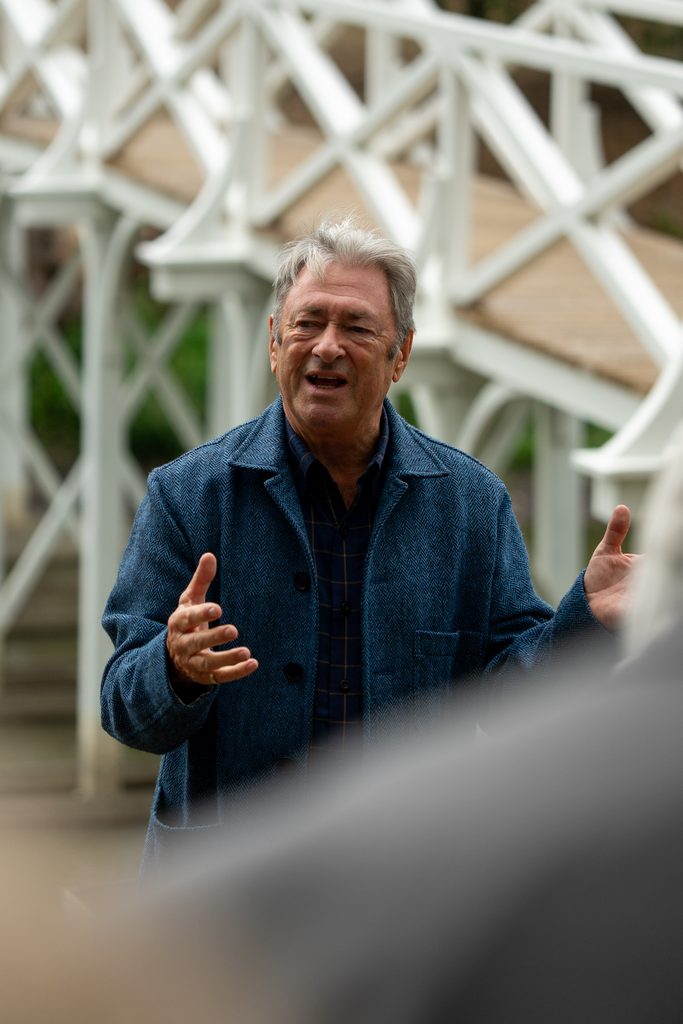
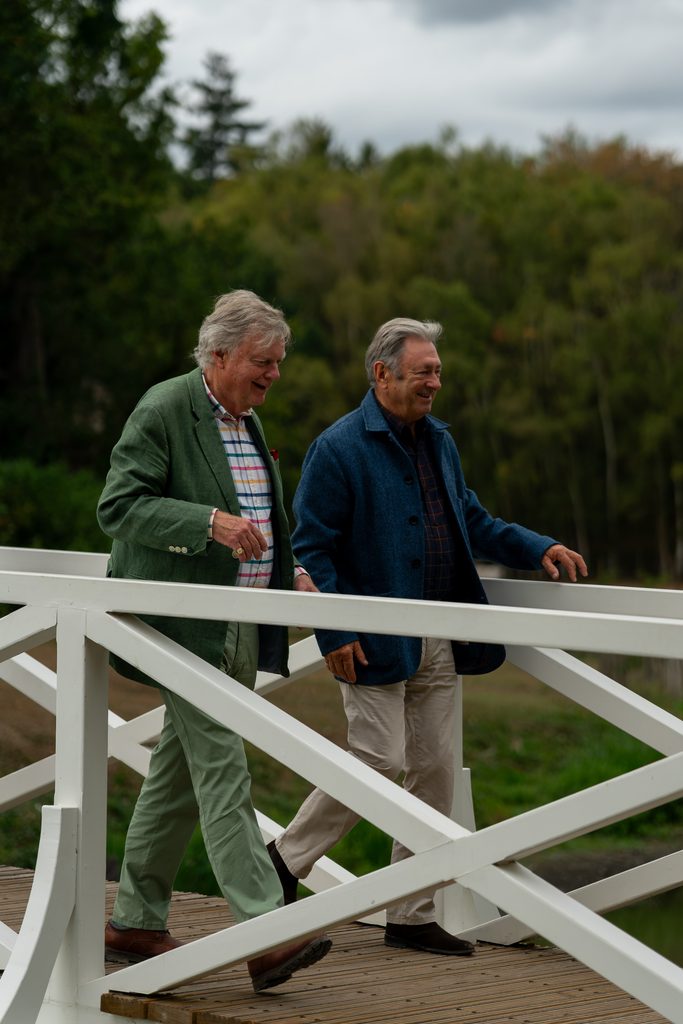
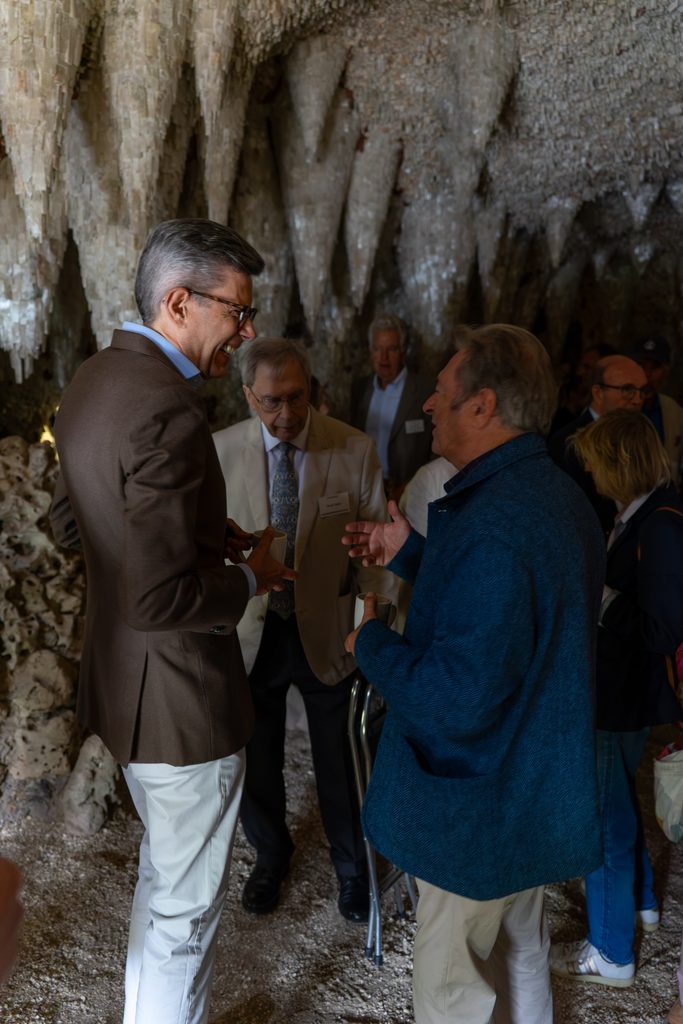
Photo credit: Arthur Clack